When children start reading, what matters most isn’t speed, it’s wanting to read. If reading feels like a shared game, they’ll move forward on their own. If it becomes a chore, they’ll get stuck. These ideas are designed to keep reading an adventure.
1. Ten minutes, every day
A little reading every day is far better than an hour at the weekend. Find a calm, regular moment: after a snack, in the bath or just before bed. Ten minutes is enough.
If they’re tired, read to them and just ask them to find one word: “Where does it say Mipis?”. That counts too.
2. Start with the words they already know
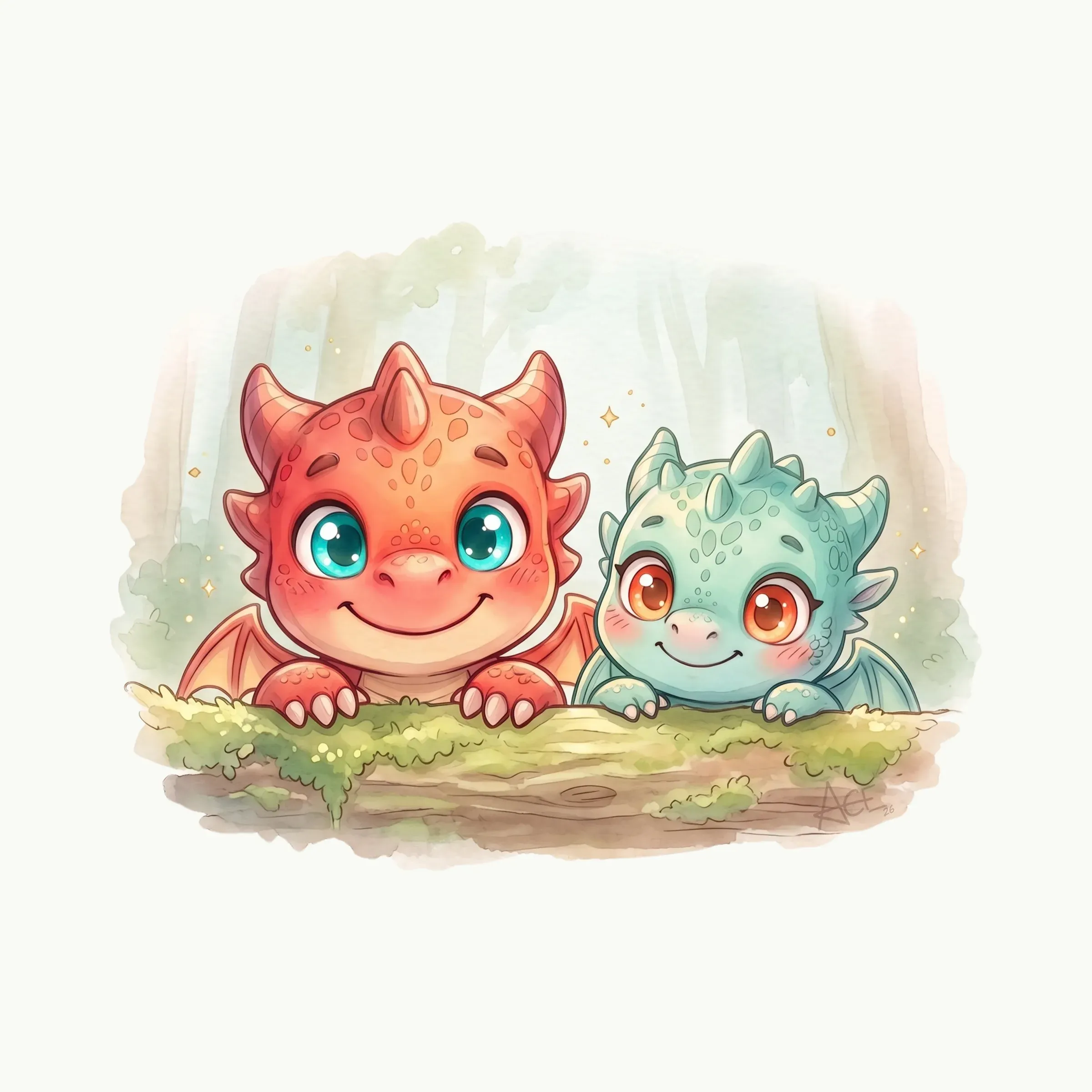
Children learn the words that matter to them first: their name, mum, dad, their pet… and the names of the characters in their favourite book. In Draquis & Mipis, the dragons’ names and Grumbles’ “Ribbit!” appear again and again, which makes them perfect starting words.
Tip: before reading, write the characters’ names together. Then go and find them in the book.
3. You read first, then together
A good routine for each page:
- Look at the picture and talk about what’s happening.
- Read the page aloud while pointing with your finger.
- Read it again together: you start the sentence and they finish the words they know.
- If they want to, let them read it alone. If not, just turn the page.
4. Games that help without feeling like homework
- Letter detective: “Find three words on this page that start with m”.
- What sound does it make? Sound effects like CRACK!, SPLASH! and BOING! are short, fun and easy to read aloud.
- Silly sentence: write a line from the story with one word changed (“Grumbles fell into the cake”) and let them spot the mistake.
- Labels around the house: write door, table, bed… and stick them in place.
5. When they make a mistake
Mistakes are part of learning. Instead of correcting straight away, try:
- “Nearly! Look at the first letter again.”
- “Does that make sense? Look at the picture.”
- If they’re really stuck, read the word for them and carry on. The story shouldn’t stop.
6. Celebrate a lot, compare very little
Every child has their own pace. Some read alone at 5, others at 7, and both are fine. Celebrate every word and avoid comparisons with siblings or classmates.
7. Let them see you read
Children copy what they see. If they see you enjoying a book, they’ll understand that reading is something lovely grown-ups do. In the long run, that’s worth more than any worksheet.
We wrote Draquis & Mipis for exactly this: a story with clear, simple letters, short sentences and characters that make children want to keep reading. And to keep playing, there are free printables.